Adela
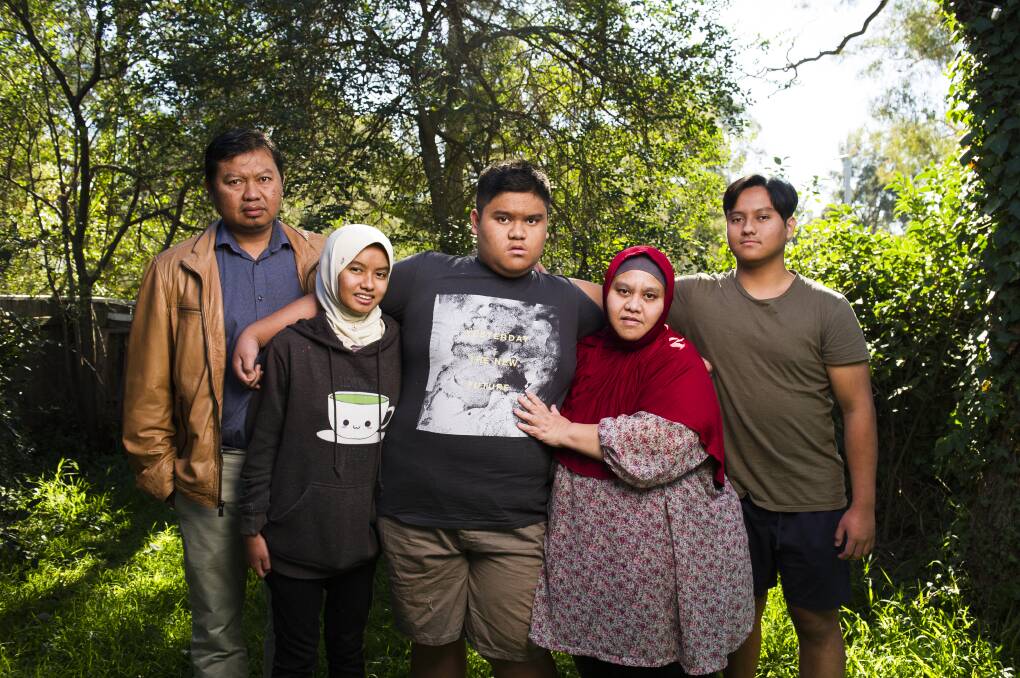
For much of her childhood, Adela Ramadina thought she was simply helping her family.
She didn’t know there was a word for what she was doing.
Today, at 27, Adela works in IT and lives independently in Canberra. But growing up, she spent years caring for her younger brother, who has severe autism and is non-verbal.
“I didn’t know caring was a thing,” she says.
“I just thought I was looking after my brother.”
What Adela didn’t realise at the time was that she was one of Australia’s many young carers, providing significant care and support while navigating school, friendships and the challenges of growing up.
Growing Up with Caring Responsibilities
Adela began helping care for her brother when she was very young.
By around age 10, she had taken on substantial caring responsibilities that extended far beyond what most children her age were experiencing.
Her days often started with helping her brother shower, use the bathroom, get dressed and prepare for school. She assisted with meals, helped him access transport and supported him throughout daily life.
But some of her biggest responsibilities weren’t physical.
As the child of immigrant parents, Adela often became the family’s translator, advocate and administrator.
“I would translate documents for my parents and help navigate different systems,” she explains.
When her brother needed support with citizenship processes, passports and government services, Adela was often the person gathering documentation, communicating with agencies and helping her family understand what was required.
“There was a lot of bureaucracy and paperwork.
“Getting someone who is non-verbal through these systems can be really difficult.”
Carrying Responsibilities in Silence
When Adela reflects on her school years, one feeling stands out above all others.
Isolation.
At the time, she didn’t know other young carers existed.
She didn’t know there were organisations specifically designed to support people in her position.
And she didn’t feel comfortable talking about what was happening at home.
“I felt very alone being a carer.”
While classmates focused on assignments, exams and extracurricular activities, Adela was also carrying responsibilities and worries that few of her peers could relate to.
She worried about her brother’s therapy appointments, support services and family finances. She juggled schoolwork while helping navigate systems that even many adults struggle to understand.
“I was completely burnt out and I didn’t know why.”
Looking back, she says one of the most difficult parts was feeling that talking about her home life was somehow off-limits.
“It felt taboo.
“It was intimidating to tell people what was happening.”
Without understanding that she was a young carer, Adela never asked for support because she didn’t realise support existed.
Missing Out on Childhood Experiences
Like many young carers, Adela’s caring role affected opportunities that others around her may have taken for granted.
She remembers repeatedly missing overnight school camps and excursions because there was no one else available to support her brother.
“It’s not that I didn’t want to go.
“I just couldn’t.”
While other students were building friendships and creating memories on school trips, caring responsibilities often meant staying home.
“As a child, you should get as many opportunities as possible,” she says.
“But when you’re looking after someone else, sometimes those opportunities disappear.”
It’s a loss she believes many young carers will recognise.
Being Recognised for the First Time
A turning point came when Adela reached university.
For the first time, her caring responsibilities were formally recognised.
Through reasonable adjustments, she was able to receive extensions and flexibility when caring responsibilities affected her studies.
That recognition changed everything.
“It made such a huge difference.”
For years, Adela had compared herself to her peers, wondering why she was struggling to keep up with study, assignments and deadlines.
“I didn’t understand how other people seemed to have enough time.”
Only later did she realise that many classmates were not balancing education alongside caring responsibilities.
Her experience has strengthened her belief that schools, universities and workplaces need greater awareness of young carers and the challenges they face.
“If I had known those supports existed earlier, it would have made a huge difference.”
Finding Community
One of the most significant changes in Adela’s life came when she connected with other carers.
Through carers’ organisations and community programs, she discovered something she had never experienced before.
People who understood.
For the first time, she met other young people who were caring for family members and navigating similar challenges.
One of those connections became a close friendship.
“I met someone at university who was also caring for a sibling with autism.
“That shared experience became the foundation of our friendship.”
The experience reinforced something Adela wishes more people understood.
Carers come from all walks of life.
Some care for parents, partners or friends. Others care for children or siblings. Some live in cities, while others face additional challenges in rural and remote communities.
“No two caring experiences are exactly the same.”
Skills Learned Through Caring
Although caring came with significant challenges, Adela says it also taught her valuable skills that continue to shape her life.
Years spent navigating government systems, service providers and support networks helped her develop confidence, communication skills and persistence.
She learned how to advocate effectively, negotiate outcomes and communicate with professionals.
Those skills now help her in her IT career.
“I learned early on how to communicate in situations where I needed to get things done.”
While she would never romanticise the difficulties of caring, she recognises that many of the strengths she relies on today were forged through those experiences.
“It’s Not Cringe to Ask for Help”
One message emerged repeatedly throughout Adela’s story.
It’s okay to talk about caring.
In fact, she believes it’s essential.
Reflecting on her younger self, she wishes she had known that sharing her experiences wasn’t something to feel embarrassed about.
“It isn’t cringey.
“It isn’t performative.
“It’s okay to talk about how you’re feeling.”
Adela believes many young carers are reluctant to seek support because they fear judgement, feel uncomfortable discussing family life, or assume nobody will understand.
Her message is simple:
Don’t carry it alone.
Looking Ahead
If Adela could change one thing, it would be greater recognition of carers across Australia, particularly young carers.
She believes many carers remain invisible, even to themselves.
“I didn’t know I was a carer.”
Looking back, she sees how powerful it would have been to understand that sooner.
More awareness, more recognition and more opportunities for young carers to identify themselves could help countless people access support earlier and feel less alone.
For Adela, that visibility matters.
Because somewhere right now, another young person may be helping a sibling, parent, grandparent or loved one without realising there’s a name for what they’re doing.
And hearing a story like hers could be the moment they finally recognise themselves.