Sara
At just 25 years old, Sara Qalandari carries responsibilities that would challenge most people.
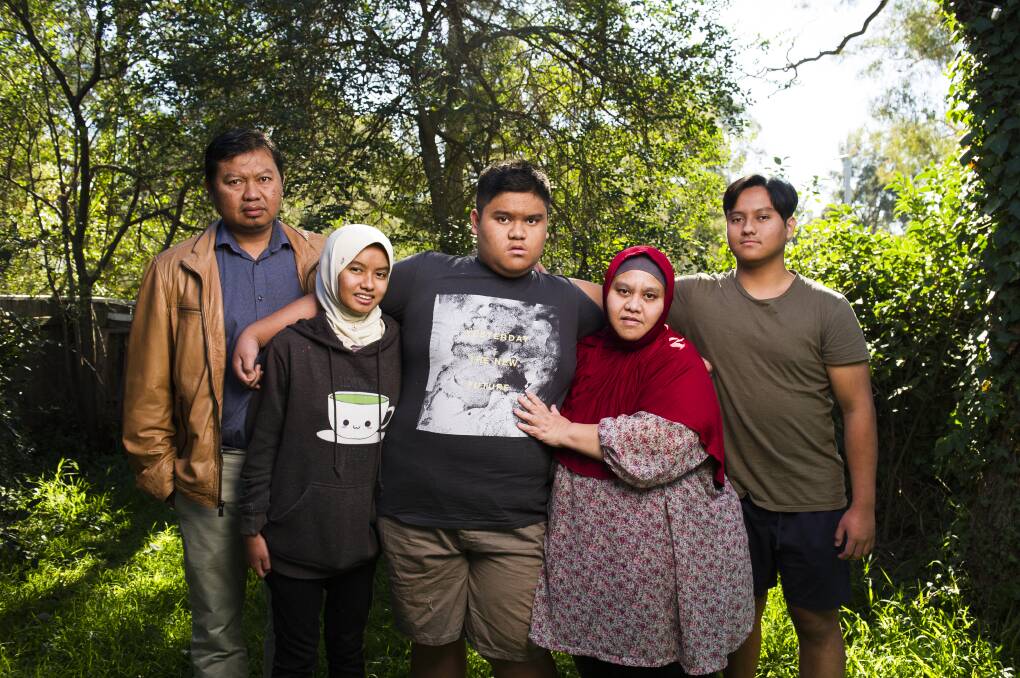
She is the primary carer for her younger brother, who has a congenital visual disability, while also supporting her mother and other siblings, all of whom have ongoing health needs.
Alongside managing appointments, paperwork, education and daily care, Sara is also pursuing her own ambitions. She holds a degree in Biomedical Science, is studying Psychology, and is working towards her dream of becoming a doctor.
For Sara, caring is a significant part of life, but it is not the whole story.
“Caring is a big part of my life, but it’s not my only identity.”
Advocating Every Day
Sara describes her role in one simple but powerful phrase:
“I advocate for my brother in every aspect of his life.”
Her younger brother’s visual disability means she helps him navigate school, healthcare systems, NDIS supports, unfamiliar environments and many day-to-day challenges.
She coordinates appointments, manages paperwork and ensures he is able to access the support he needs to thrive.
But her caring responsibilities don’t stop there.
Sara also helps care for her mother, who lives with multiple health conditions, and supports her siblings with a range of medical needs, including severe allergies and ongoing health concerns.
From specialist appointments and surgeries to school communication and medication management, much of the family’s coordination rests on Sara’s shoulders.
“As a carer, one of the biggest things you become good at is advocating for the people who need it and advocating for yourself too.”
Balancing Care and Ambition
While caring has always been part of Sara’s life, one of the biggest challenges has been learning how to balance caring responsibilities with her own goals.
For years, she found herself putting everyone else first.
“The biggest challenge is caring for someone while also balancing your own ambitions and not feeling guilty about it.”
As a carer, Sara says the responsibility can be all-consuming.
You’re constantly thinking about appointments, paperwork, health concerns and what needs to happen next. Even when you’re not actively providing care, the mental load never truly switches off.
When it came time to focus on her own education, career aspirations and future, she struggled with feelings of guilt.
“It was difficult to prioritise myself.”
Over time, however, she came to an important realisation.
“Caring is a big part of my life, but it’s not my identity.
“I have other things that define me too.”
Dreaming of a Career in Medicine
Sara’s personal experiences with healthcare systems have inspired her passion for medicine.
She wants to become a doctor and help bridge the gap between people who need healthcare and those who struggle to access it.
But her journey has also highlighted barriers that many carers face.
Applying for medicine is highly competitive, with universities often placing significant emphasis on academic scores and entrance exams.
Sara believes caring responsibilities can place applicants at a disadvantage, even when they possess many of the skills that would make them exceptional healthcare professionals.
“The skills you gain from being a carer are incredible.
“You can’t learn these things in school or from a textbook. Life teaches you.”
Through caring, Sara has developed empathy, resilience, advocacy skills, responsibility and a deep understanding of the healthcare system.
Yet she feels these experiences are often overlooked.
She would like to see educational institutions recognise caring responsibilities as an equity issue and create pathways that better support carers pursuing higher education and professional careers.
“We have ambitions in life too.
“Just because we’re carers doesn’t mean we should have to sacrifice those ambitions.”
The Skills Caring Teaches You
When asked what she has found meaningful about caring, Sara immediately points to the personal growth it has fostered.
Caring has made her more empathetic, more aware of other people’s experiences and more determined to advocate for others.
It has taught her how to communicate effectively, navigate complex systems and support people through difficult circumstances.
“Caring can shape you into such a wise person.”
The lessons carers learn, she says, extend far beyond caring itself.
These are skills that benefit workplaces, communities and society as a whole.
The Mental Load People Don’t Always See
One thing Sara wishes more people understood is that caring doesn’t stop when tasks are completed.
For many carers, the responsibility continues long after appointments have ended and paperwork has been submitted.
“They’re always carers, even when they’re not caring in that exact moment.”
A carer might be sitting in a classroom, attending work or spending time with friends, but still be thinking about medications, appointments, support services or how a loved one is coping.
“It’s always there.
“It’s a mental alert.”
This invisible mental load is one of the least understood parts of caring, yet one of the most significant.
The Power of Being Recognised
For Sara, one of the most valuable forms of support has been connecting with other carers through Carers WA.
More than any specific service, she says recognition made the biggest difference.
“The biggest help was being heard and recognised.”
Meeting other carers showed her that she wasn’t alone.
Before connecting with the caring community, she assumed what she was doing was simply what any family member would do.
But hearing other carers’ stories helped her recognise the value of her own experiences and the importance of the role she plays.
“It gives you reassurance that you’re not alone.”
Advice for New Carers
If Sara could offer one message to someone who has recently become a carer, it would be this:
“You don’t have to do it alone.”
She encourages carers to seek support, connect with others and accept help when it is available.
“There’s nothing wrong with asking for help.”
Just as importantly, she believes carers should continue pursuing their own dreams and goals.
Whether it’s education, work, a hobby or another aspiration, Sara says carers deserve lives that extend beyond their caring responsibilities.
“Focus on your ambitions.
“Don’t let your caring responsibilities consume you.”
Looking Ahead
If Sara could change one thing, it would be greater recognition of carers throughout Australia’s education system.
She believes caring responsibilities should be understood as an equity issue and reflected in policies, support structures and pathways from school through to university.
Most importantly, she wants carers to know they deserve opportunities.
There should be pathways that help carers thrive, not barriers that hold them back.
And for carers reading her story, there is one final message she wants to share:
“Be proud of yourself.
“You think what you’ve done is nothing, but it’s a lot.”